The luxury glasses brand’s latest collection is an ode to film noir, and a true encapsulation of the Made in Italy mark
From the Fiat 500 to the Armani suit to the Superleggera chair, Italian design has long shown off an uncanny knack for balance: synthesizing beauty and utility, tradition and experimentation, efficiency and craft. For a smaller country with limited natural resources—and a fragmented sociopolitical history—the prestige of the Made in Italy mark is by some measures surprising.
The secret lies somewhere in Italy’s contradictions. Before the nation’s unification, its states grew to become highly specialized industrially. They used it to their advantage—part of why Milan’s today a global hub for haute couture, Naples for textiles, Venice for glassware, Brescia for metalwork, and Turin for automobiles and other machinery. Or consider, for example, its rather conservative, family-centric culture, against that famous phrase dolce far niente—the sweetness of doing nothing—which privileges pleasure, harmony, and peace over discipline, spiritual or otherwise.
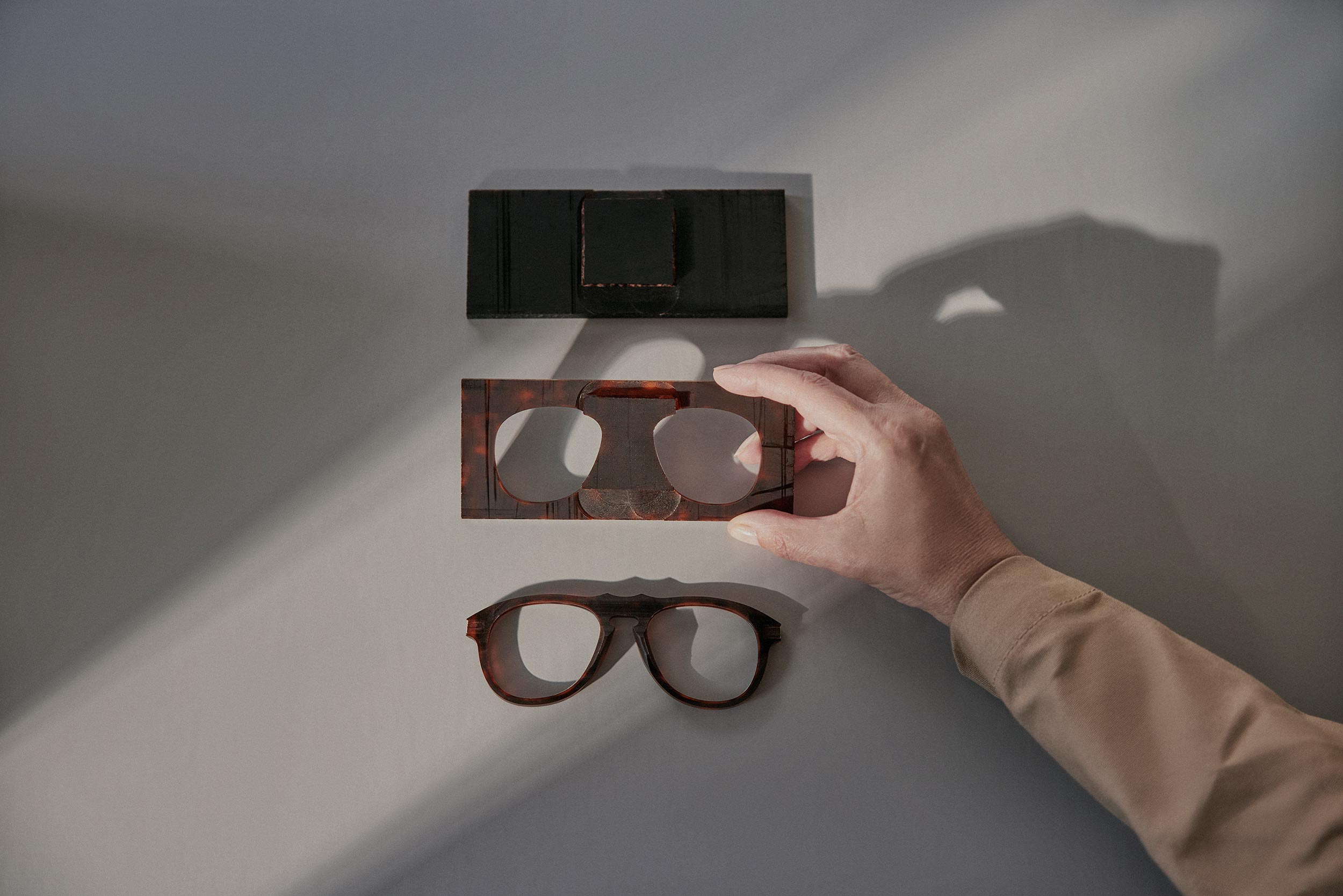
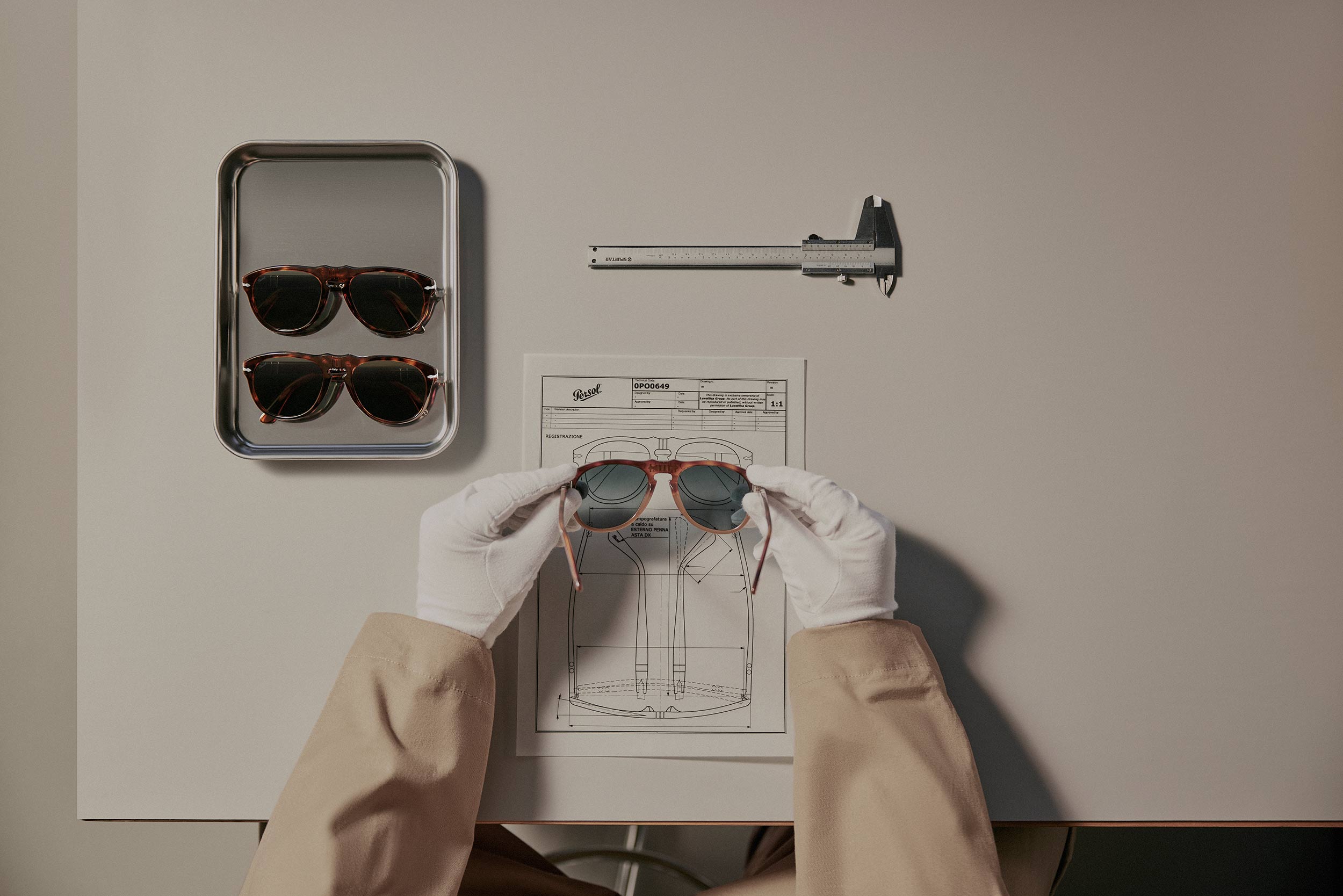
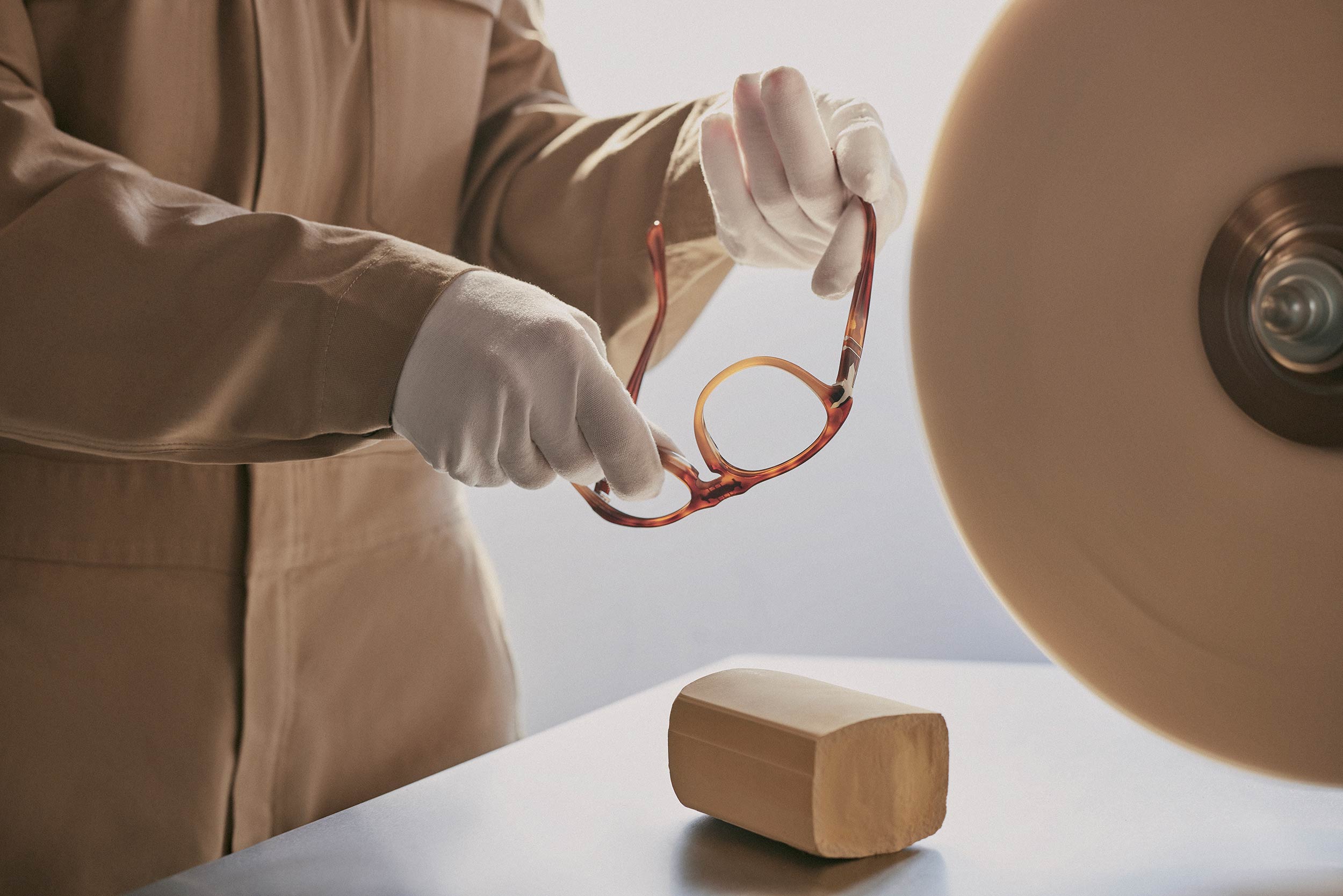
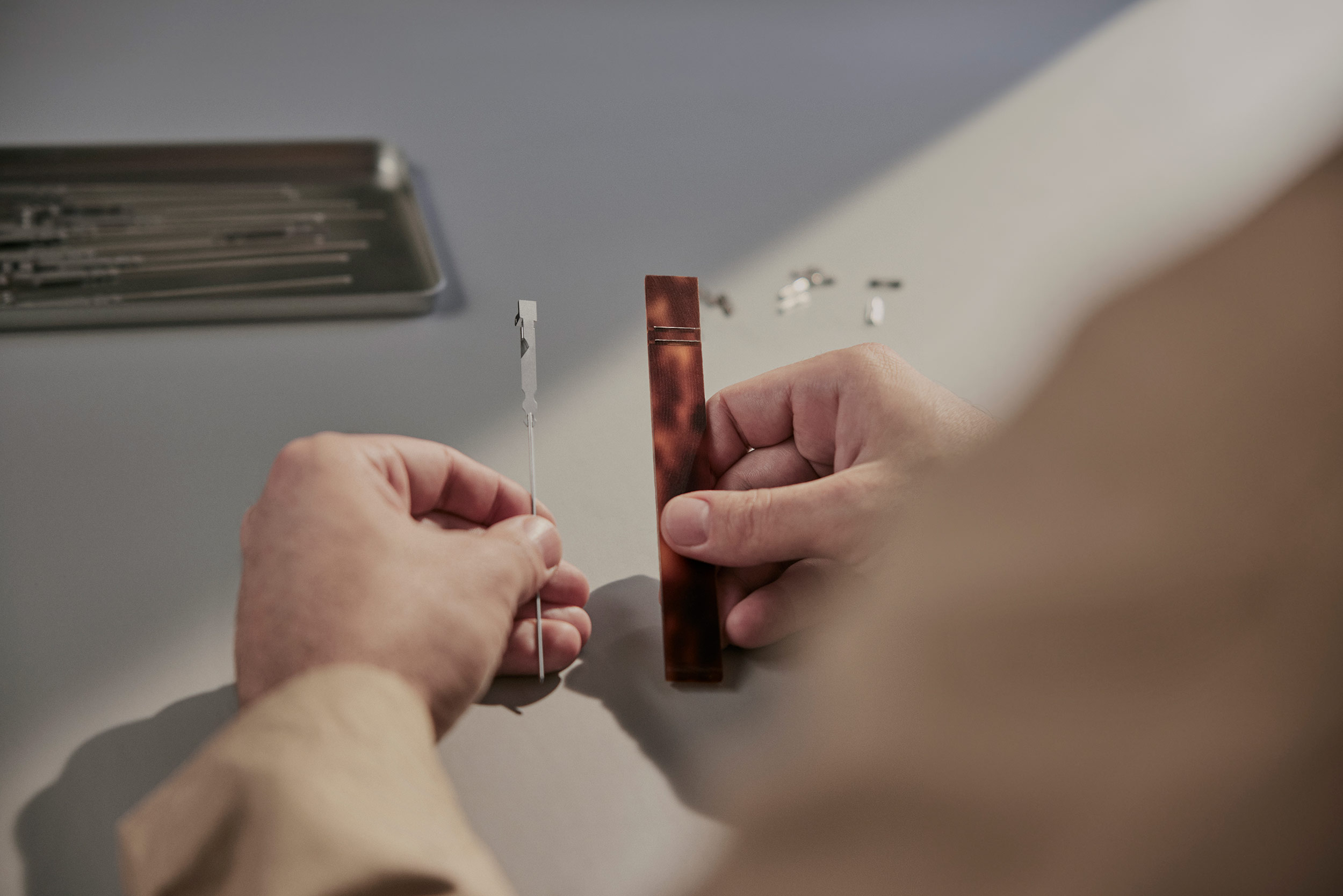
Persol is one of those quintessential Italian marks, manufacturing luxury frames for over a century with equal mind paid to its past, present, and its future. Touring the factory, you’d see robotic arms, conveyor belts, laser cutters, the like—and then a station over, artisan types filing acetate silhouettes by hand, inspecting hinges and drilling in the metal hardware that constitute the glasses’ signatures, imparting durability, detail, and elegance by instinctual hand.
Riccardo Pozzoli, the brand’s creative director reflects: “What we carry forward from our early days is not just a style, but a way of thinking. Persol was born from a human approach to design, where function, comfort, and beauty were inseparable. In 2025, that same philosophy still guides us: Every frame is made in Italy, with artisanal precision and quiet obsession for detail. [We’re using] new materials… but what hasn’t changed is the idea that true luxury is built on coherence, authenticity, and purpose.”
Some of the workers at the Lauriano facility follow in the footsteps of their parents and grandparents. Sun streams in through the skylights. On the horizon, there’s the outline of the Alps. A courtyard in the building’s center makes for fresh air and cheery breaks. It’s sort of the opposite of what you’d imagine a factory to look like and feel like, and that shows up in the product, starting with function and extending through aesthetics.
Right now, the team is focused on the Total Black Arrow, a new launch for Fall/Winter 2025. The all-black design is a play on the 649, a tried-and-true Persol classic. The Black Arrow retains the Victor bridge, first introduced in the 1950s. Those three notches are eye-catching, yes, but they also render the frames’ stems flexible for a secure and comfortable fit, regardless of face shape. The Arrow motif, which dates back to the late ’30s (on the 649s, they popped in bright silver) still functions as a beautiful hinge; they’ve been inserted, however, inside the stems, protecting the dark finish and imbuing an understated intrigue.
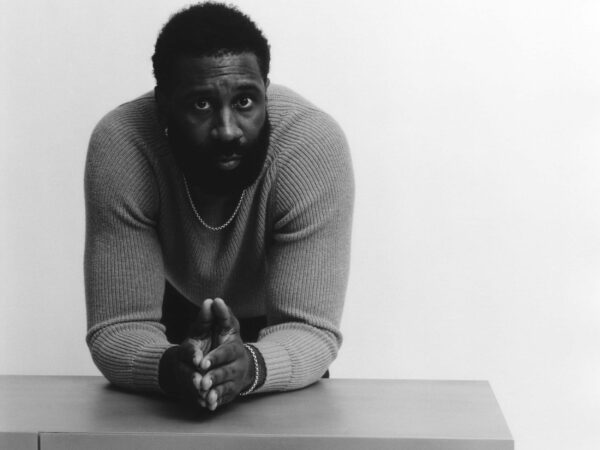
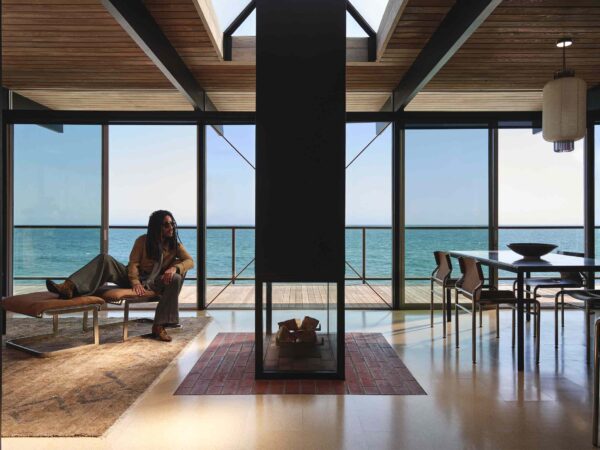
The main inspiration for the Black Arrow is film noir, cinema being a major part of the Persol story. You might spot its frames in The Thomas Crown Affair, La Dolce Vita, Casino Royale, and more recently, Ocean’s Eleven, The Batman, and Challengers. These cameos go past product placement; Persols are worn by a specific type of character, whose intelligence, capability, and mystery form the large part of their appeal. The Black Arrow exemplifies Persol’s commitment to building its identity, its lore, and its duality as a maker of high-fashion objects that do well under pressure. Myth-making is a too-often forgotten part of building a legacy—and to do so effectively is to understand where you come from.
That goes back to Persol’s deepest roots, in Italy’s other great design export: the sports car. When the brand was founded in 1917 by Giuseppe Ratti, its first collection was the Protector, a pair of goggles designed for racecar drivers and pilots. Since that start, they’ve been all about serving the adventurer, and adventuring themselves in how they choose to evolve the label. That means placing value on the artisan and sticking to the highest-quality design methods. It also means genuinely investing in art and culture, and finding ways to integrate high technology in the making process. It all comes together in the Black Arrow collection: completely recognizable, exciting glasses you’d actually want to wear every day.
In conversations about what consumers are drawn to these days, you might hear a few buzzwords: quiet luxury, heritage, timelessness, provenance—whatever’s the neatest opposite to microtrends and fast fashion. Of course, the terms become clichés in their own right, too often appropriated. It’s not always by choice. There aren’t a wealth of companies operating on Persol’s caliber, because few have had the time or the local resources to claim those descriptors as part of their ethos.
“Italian craftsmanship,” Pozzoli goes on, “or better, Italian Maestria, is not just about how something is made: It’s about why it’s made that way. It’s a culture of creation rooted in patience, precision, and an emotional connection to materials. In a world that moves fast and feels increasingly synthetic, we represent time, authenticity, and human imperfection—all the things people instinctively long for. It’s not nostalgia, but relevance through timelessness.” This is why it’s refreshing to witness Persol as it truly performs today—to understand why Italian design is coveted, how it earned the world’s trust, and how it can be a guiding light for its peers around the world, established and upcoming.